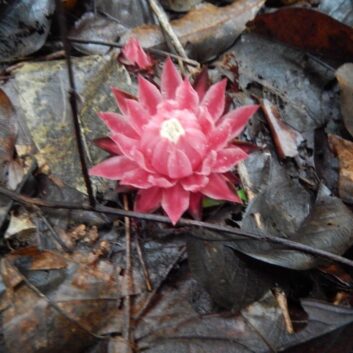
Members

Online survey launched on parasitic plants in African trees crops
Trees are hosts to a number of parasitic plant species. Two broad categories can be distinguished, based on where they attack the host: root and […]
Trees are hosts to a number of parasitic plant species. Two broad categories can be distinguished, based on where they attack the host: root and […]
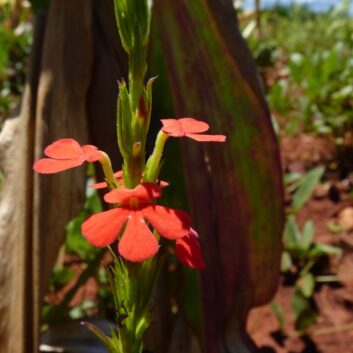
In this study we studied 22 maize genotypes, with a diversity of origins, across field locations in Kenya (one season) and Malawi (two seasons), and […]
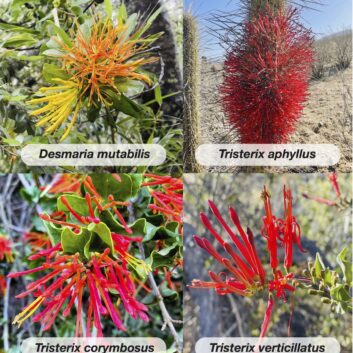

Mistletoes depend on animals to pollinate their flowers and disperse their seeds, which makes them a great system to ask how pollinators shape floral evolution. […]
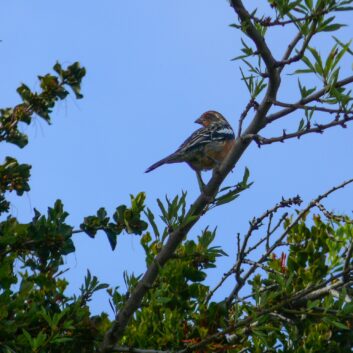
Mistletoe seeds need to be delivered to suitable branches to germinate, so seed dispersers are essential for these parasitic plants. In central Chile, the Chilean […]
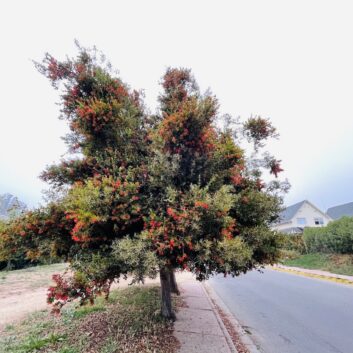
In the city of Valparaíso, central Chile, we studied how the native mistletoe Tristerix corymbosus performs on native and introduced host trees. Mistletoes are parasitic […]


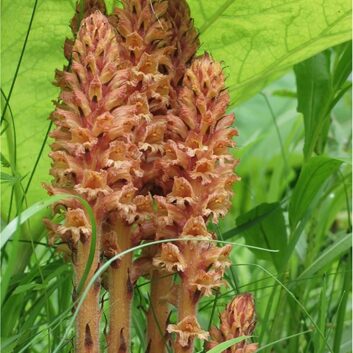
Orobanche cumana (Orobanchaceae), commonly known as broomrape, is an obligate root holoparasitic plant that infests sunflower (Helianthus annuus), causing substantial yield losses in many regions […]

Striga hermonthica is a destructive parasitic weed that threatens cereal production and food security in Sub-Saharan Africa. One promising control method is “Suicidal Germination” which […]


I am beyond thrilled to share with you this exciting news/paper hot off the press: our efforts to propagate Rafflesia, the charismatic, critically endangered “panda of […]

Plants interact ubiquitously with organisms surrounding them through chemical communication, for example through the emission of volatile organic compounds (VOCs) by flowers, to attract pollinators. […]