IPPS seminar May 3, 2023 at 4 PM cet

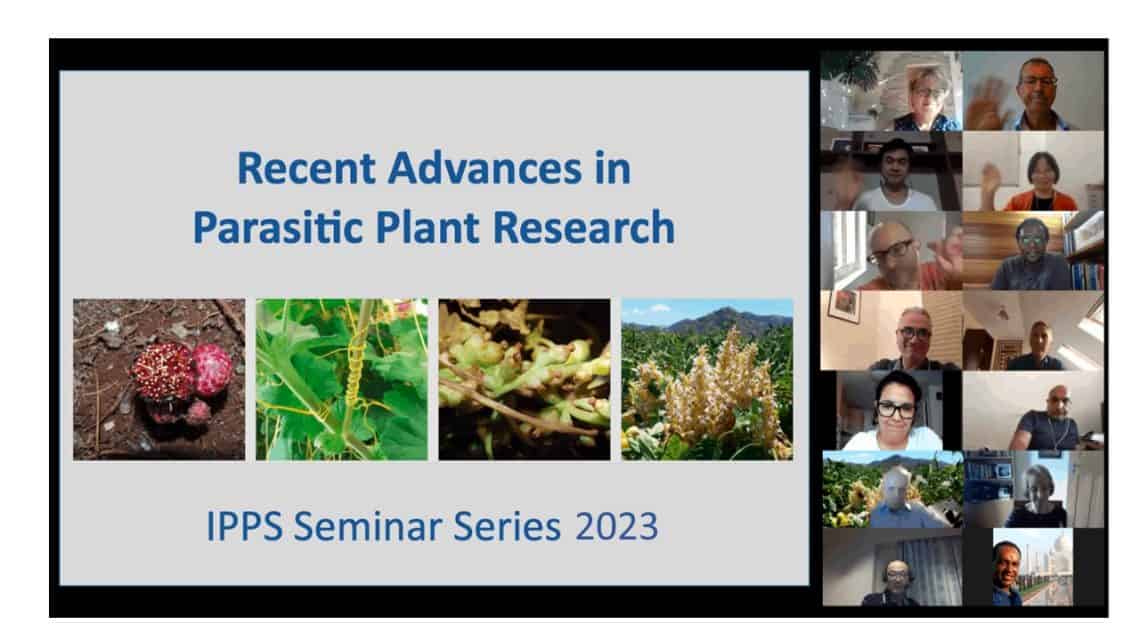
Hanan Eizenberg and Ahmet Uludag The 2nd 2023 monthly IPPS seminar will be held Wednesday 3 May at 4:00 pm central European time. You can use this website for time zone conversion. The next seminars will take place on 7 June and 5 July, combined with the IPPS General Assembly. On 3 May we will […]

The IPPS seminars start again on April 5, 2023 at 4 PM cet

After a break, in which we had the 16th World Congress on Parasitic Plants in Nairobi, Kenya, the Executive Committee of the IPPS is happy to announce we are resuming our monthly IPPS seminar series, starting Wednesday 5 April. As with the previous series, talks will be every 1st Wednesday of the month at 4:00 […]

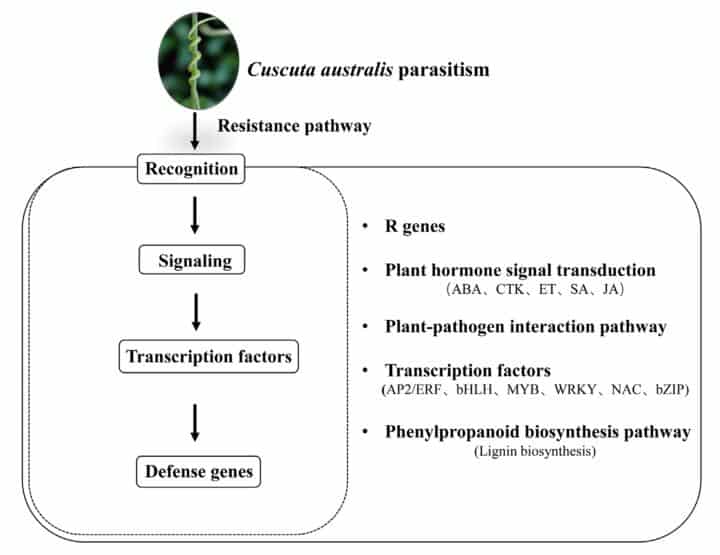
Transcriptome analysis reveals defense-related genes and pathways during dodder (Cuscuta australis) parasitism on white clover (Trifolium repens)

1

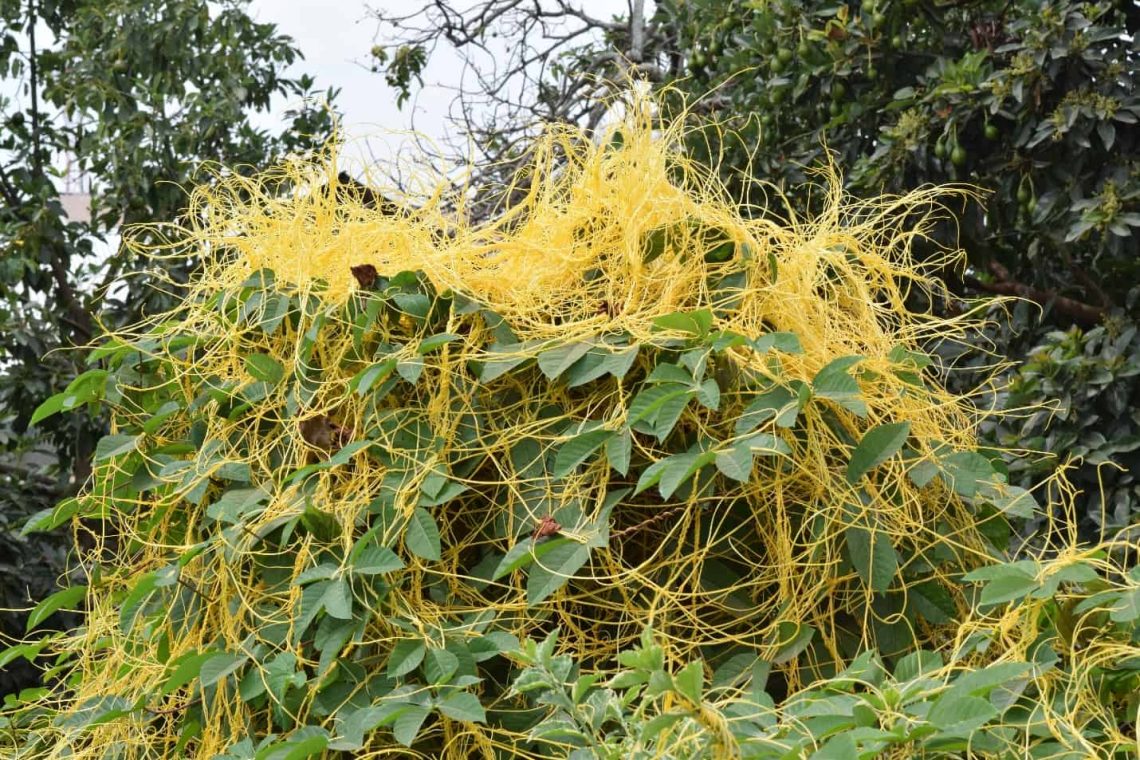
Dodders (Cuscuta australis R. Br.) are holo-parasitic stem angiosperms with an extensive host range that have significant ecological and economic potential impact on the ecosystem and the agricultural system. However, how the host plant responds to this biotic stress remains mostly unexplored. To identify the defense-related genes and the pathways in white clover (Trifolium repens […]

From Haustorium 82: Natural super glue from mistletoe berries

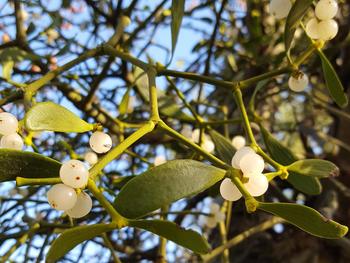
A team of researchers from the Max Planck Institute of Colloids and Interfaces (MPICI) and McGill University in Canada discovered strong adhesive properties of white-berry mistletoe. The mistletoe berry’s flexible fibers adhere to both skin and cartilage as well as to various synthetic materials and could find application in many fields, such as wound sealant […]

From Haustorium 82: Parasitic plants. Should gorillas be concerned?

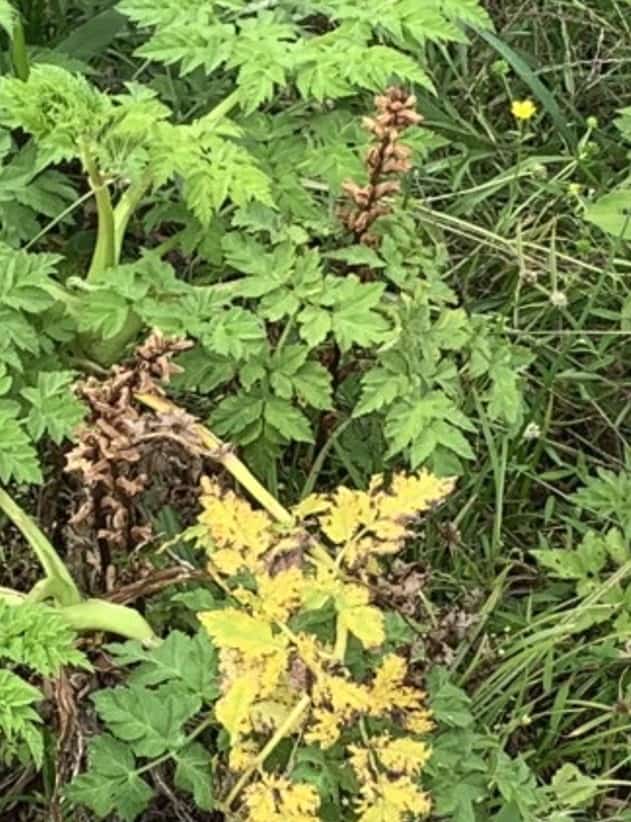
Orobanche minor, small broomrape, is found throughout much of East Africa and parasitizes a diversity of hosts. Of particular interest in Rwanda is its parasitism of Peucedanum linderi, wild celery, a main food of mountain gorillas. Small broomrape parasitizing wild celery in a garden of plants favored by mountain gorillas. The broomrape is just above […]

How the mistletoe infects a host tree?

0-eccaa42b

A research that talks about the molecular infective process of the Psittacanthus calyculathus mistletoe on mesquite trees. Lignocellulolytic enzymes, proteins, phytohormones and proteases involved in the infectious process were analyzed. It is an open access article with freely downloadable at the following link: https://www.mdpi.com/2223-7747/12/3/464 […]

Publication

Image-c02e5639

A ‘Perspective’ article entitled ‘Are root parasitic broomrapes still a good target for bioherbicide control?’ has been recently published in Pest Management Science, with me as the author. It is an open-access article freely downloadable at the following address: https://doi.org/10.1002/ps.7360 This paper was presented orally at the workshop ‘Overcoming the barriers to adoption of microbial […]